The Ages of the World
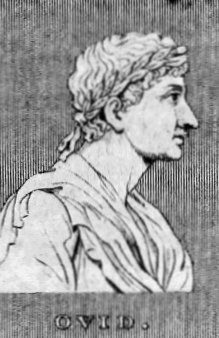 In the Metamorphoses Ovid tells how the creation of the world was followed by four ages: the Golden Age, the Silver Age, the Bronze Age and the Iron Age. The first age is described as a kind of earthly paradise, while each of the ages that followed brought ever greater evils to humanity. In brief:
- The Golden Age. Humankind lived in harmony with one another and with all the animals. People did not till the soil, and their basic needs were met by nature. They fed on berries and acorns and on the honey that dripped from the holm oaks. In this age Saturn reigned, the ancient Roman god of agriculture.
- The Silver Age. When the eternal spring of the Golden Age came to an end, humankind was forced to build primitive shelters against the cold and to learn to cultivate the soil. In this condition people came to know good and evil.
- The Bronze Age. This was an age of transition, in which people began to fight one another. A cruel but not wicked period, it served as a prelude to the far more savage Iron Age that followed.
- The Iron Age. Ovid places the Iron Age before the great flood, but according to the poet Hesiod it coincided with the present. This age is ruled by greed, malice and cruelty. For the ancient Greek historian Herodotus, iron was invented for the ruin of mankind. In this age loyalty, sincerity and modesty are lost, and in their place fraud, deceit, violence and an insatiable craving for possessions prevail.
Bibliography:
- Dizionario dei soggetti e dei simboli nell'arte (Dictionary of Subjects and Symbols in Art), James Hall, Longanesi
- Metamorfosi (Metamorphoses), Publius Ovidius Naso, Einaudi
Originally published in Italian on the Montezaga blog (montezaga.wordpress.com) →