La civiltà delle Terramare - The Terramare civilization
La civilta delle Terramare fiorì nel 1800-1300 a.C. circa, un periodo in cui il mondo stava passando dall'età della pietra all'età del bronzo.
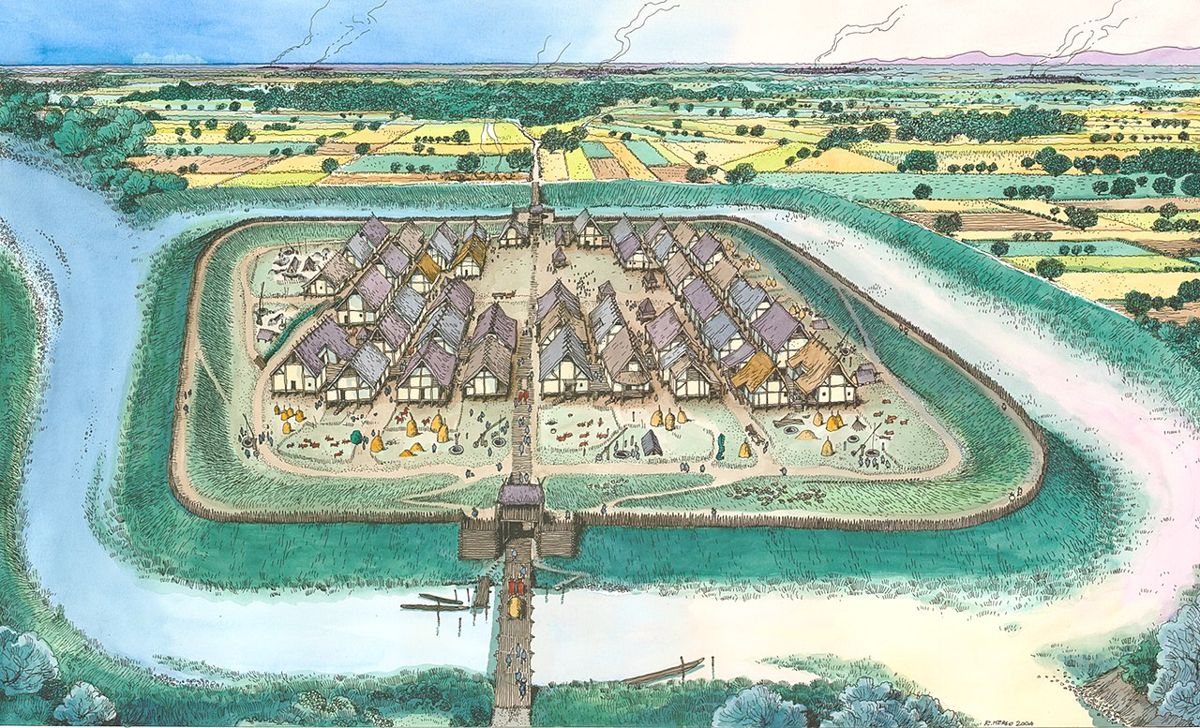
La cultura delle Terramare si sviluppò nella parte centrale della Pianura Padana, in particolare in Emilia Romagna ed era caratterizzata dall'uso della tecnologia del bronzo. Questa veniva utilizzata principalmente dalla popolazione che lavorava i metalli per creare oggetti utili come utensili, armi, gioielli e oggetti rituali. Si ritiene che il popolo delle Terramare si dedicasse anche all'agricoltura e all'allevamento. Inoltre, estraevano minerali di ferro per la creazione di utensili e armi di bronzo.
La popolazione delle Terramare viveva in villaggi di palafitte costruiti in legno e mattoni di fango circondate da fossati.
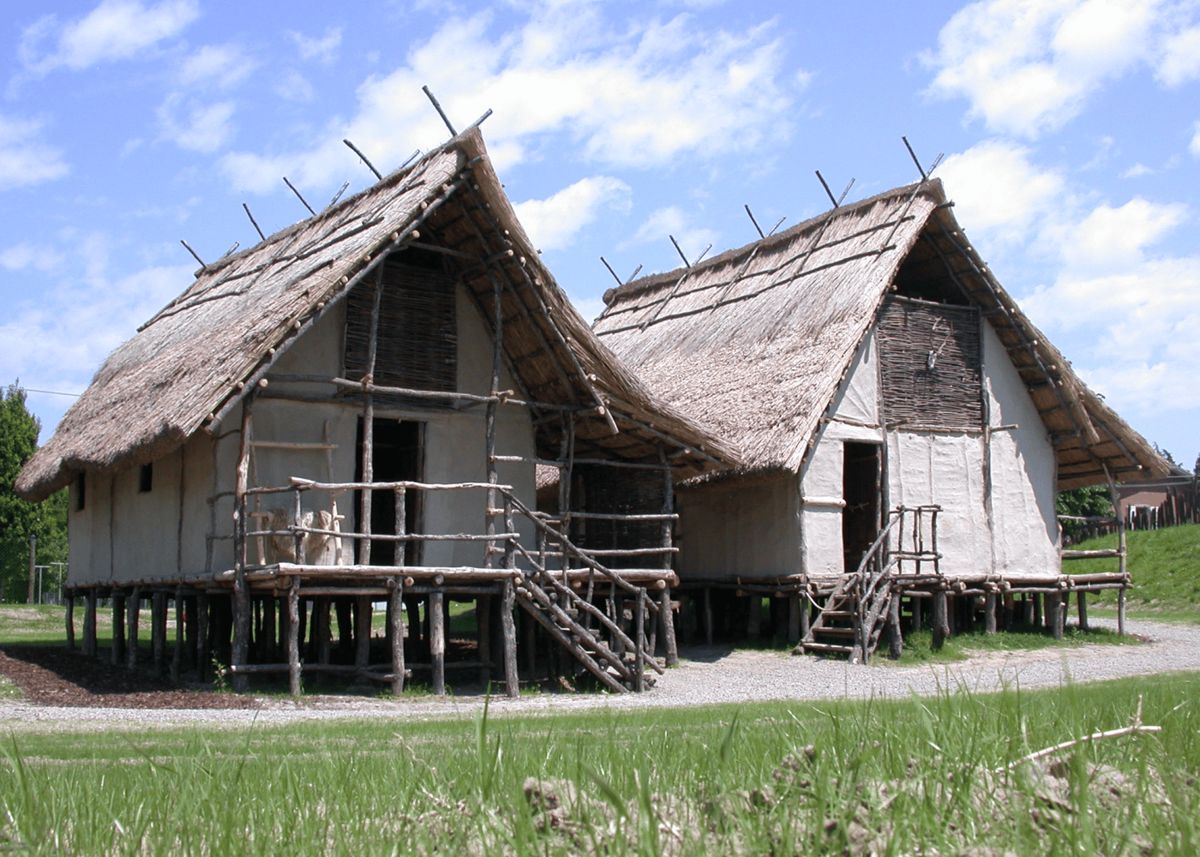
Il nome terramara deriva da terra marna, termine utilizzato dagli agronomi del XIX secolo per designare il terriccio fertilizzante che si ricavava dai depositi archeologici pluristratificati risalenti all’età del Bronzo. Questi depositi, prodottisi nell’età del bronzo durante la vita dei villaggi con il progressivo sovrapporsi dei resti delle abitazioni, formavano delle collinette, alte fino a 4-5 metri, che costituivano ancora nel XIX secolo un tratto caratteristico del paesaggio padano. Nel corso dell'Ottocento queste collinette furono per la maggior parte distrutte dall'attività di cava volta al recupero del terriccio, che veniva venduto come concime destinato prevalentemente allo spargimento sui prati stabili, dai quali si ricavava il foraggio. Il termine terramara ha quindi un’origine agronomica, ma successivamente esso restò in uso nella letteratura archeologica ad indicare, fino ad oggi, i villaggi dell'età del bronzo dell’area emiliana.
Benchè la popolazione delle Terramare vivessero in case e villaggi costruiti in legno e mattoni di fango, erano considerati una civiltà avanzata rispetto ad altre dell'epoca.
I Terramare erano principalmente agricoltori e fabbri. Erano abili artigiani e vivevano in piccoli insediamenti lungo le rive del mare e dei fiumi. Avevano buoni rapporti con altre civiltà, come i Greci micenei e gli Ittiti, che commerciavano con loro per ottenere manufatti come oggetti in rame e beni di lusso come vino e olio. Erano anche abili nella ceramica e nella tessitura.
Sebbene si sappia poco della loro cultura, gli archeologi hanno scoperto diversi oggetti in bronzo che rivelano molto su di loro. Si tratta di spade, pugnali, scudi, asce, ciotole, pentole e utensili da cucina, oltre a gioielli e oggetti decorativi. Questi manufatti forniscono affascinanti informazioni sullo stile di vita di questa antica cultura.
Gli abitanti della civiltà delle Terramare svilupparono anche sofisticati sistemi di irrigazione che permisero loro di coltivare tutto l'anno. Costruirono dighe per proteggere i loro campi dalle inondazioni e coltivarono una varietà di colture tra cui grano, orzo, uva e olive. I Terramare erano anche abili pescatori e marinai che percorrevano lunghe distanze per commerciare con le comunità vicine. La scoperta di alcuni relitti di navi nel Mar Mediterraneo ha dimostrato che navigavano fino all'isola di Creta e al Nord Africa.
The Terramare civilization flourished in about 1800-1300 B.C., a period when the world was transitioning from the Stone Age to the Bronze Age.
The Terramare culture developed in the central part of the Po Valley, particularly in Emilia Romagna, and was characterized by the use of bronze technology. This was mainly used by the people who worked metals to create useful objects such as tools, weapons, jewelry and ritual objects. It is believed that the Terramare people also engaged in agriculture and animal husbandry. They also mined iron ore for the creation of bronze tools and weapons.
The Terramare people lived in villages of stilts built of wood and mud bricks surrounded by ditches.
The name terramara comes from terra marna, a term used by 19th-century agronomists to designate the fertilizing loam that was obtained from multi-layered archaeological deposits dating back to the Bronze Age. These deposits, produced in the Bronze Age during the life of villages as the remains of dwellings gradually overlapped, formed knolls, up to 4-5 meters high, that were still a characteristic feature of the Po Valley landscape in the 19th century. During the nineteenth century these knolls were mostly destroyed by quarrying activity aimed at the recovery of topsoil, which was sold as manure intended mainly for spreading on stable meadows, from which fodder was made. The term terramara thus has an agronomic origin, but later it remained in use in archaeological literature to indicate, to this day, Bronze Age villages in the Emilian area.
Though the Terramare people lived in houses and villages built of wood and mud bricks, they were considered an advanced civilization compared to others of the time.
The Terramare people were mainly farmers and blacksmiths. They were skilled craftsmen and lived in small settlements along the shores of the sea and rivers. They had good relations with other civilizations, such as the Mycenaean Greeks and Hittites, who traded with them to obtain artifacts such as copper objects and luxury goods such as wine and oil. They were also skilled in pottery and weaving.
Although little is known about their culture, archaeologists have discovered several bronze objects that reveal much about them. These include swords, daggers, shields, axes, bowls, pots, and cooking utensils, as well as jewelry and decorative items. These artifacts provide fascinating information about the lifestyle of this ancient culture.
The inhabitants of the Terramare civilization also developed sophisticated irrigation systems that enabled them to farm year-round. They built dams to protect their fields from flooding and cultivated a variety of crops including wheat, barley, grapes and olives. The Terramare were also skilled fishermen and sailors who traveled long distances to trade with neighboring communities. The discovery of some shipwrecks in the Mediterranean Sea has shown that they sailed as far as the island of Crete and North Africa.
Questo articolo è pubblicato originariamente sul blog Montezaga (montezaga.wordpress.com) →